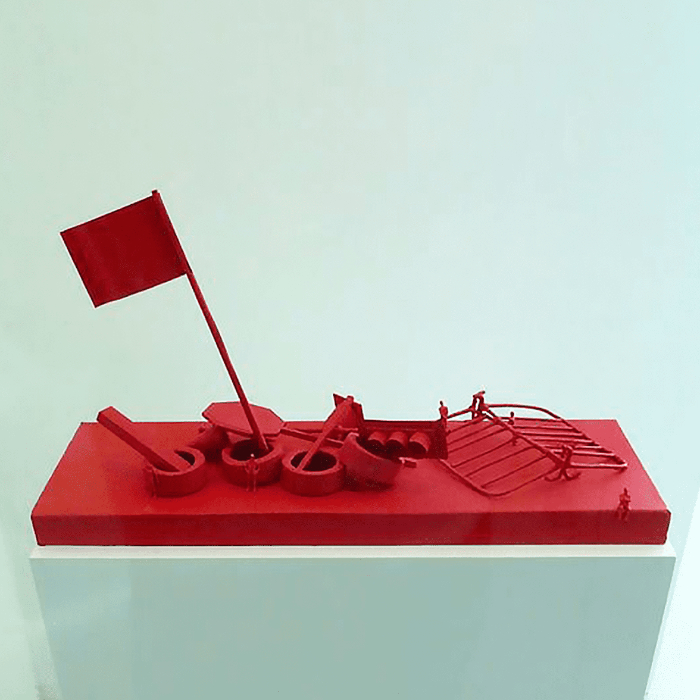
1975–1984
[PCdV], August 22 – September 26, 2026 (Valparaíso, Chile)
Exhibition IRA_ESPERANZA_FRUSTRACIÓN
Curated by Christian Castro
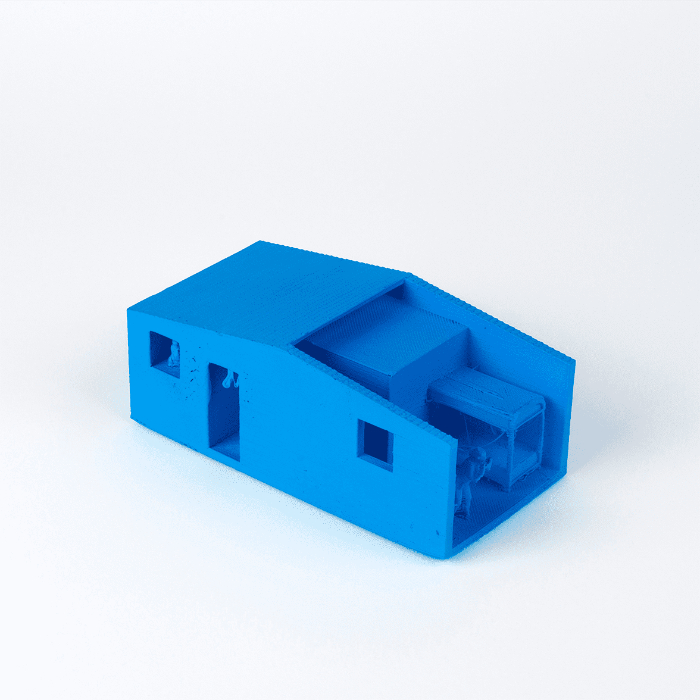
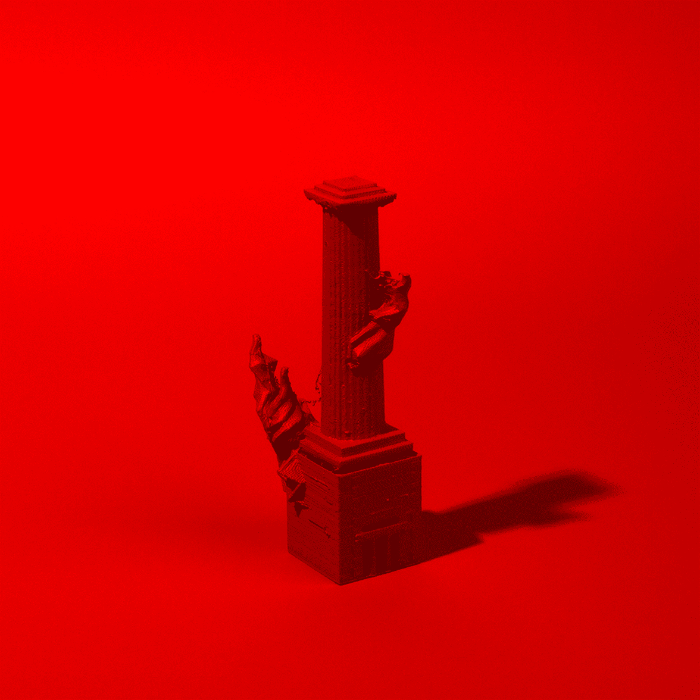
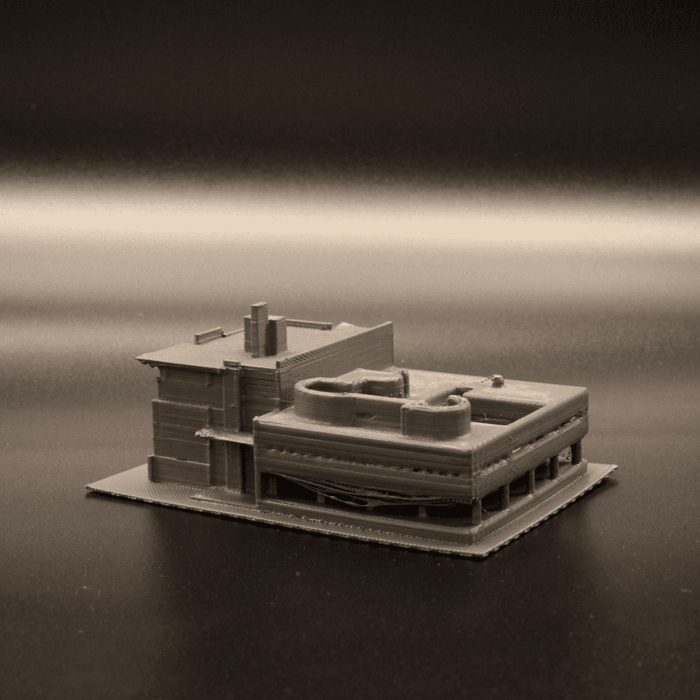
3D-printed Matte PLA / Silk PLA
Edition 1/3
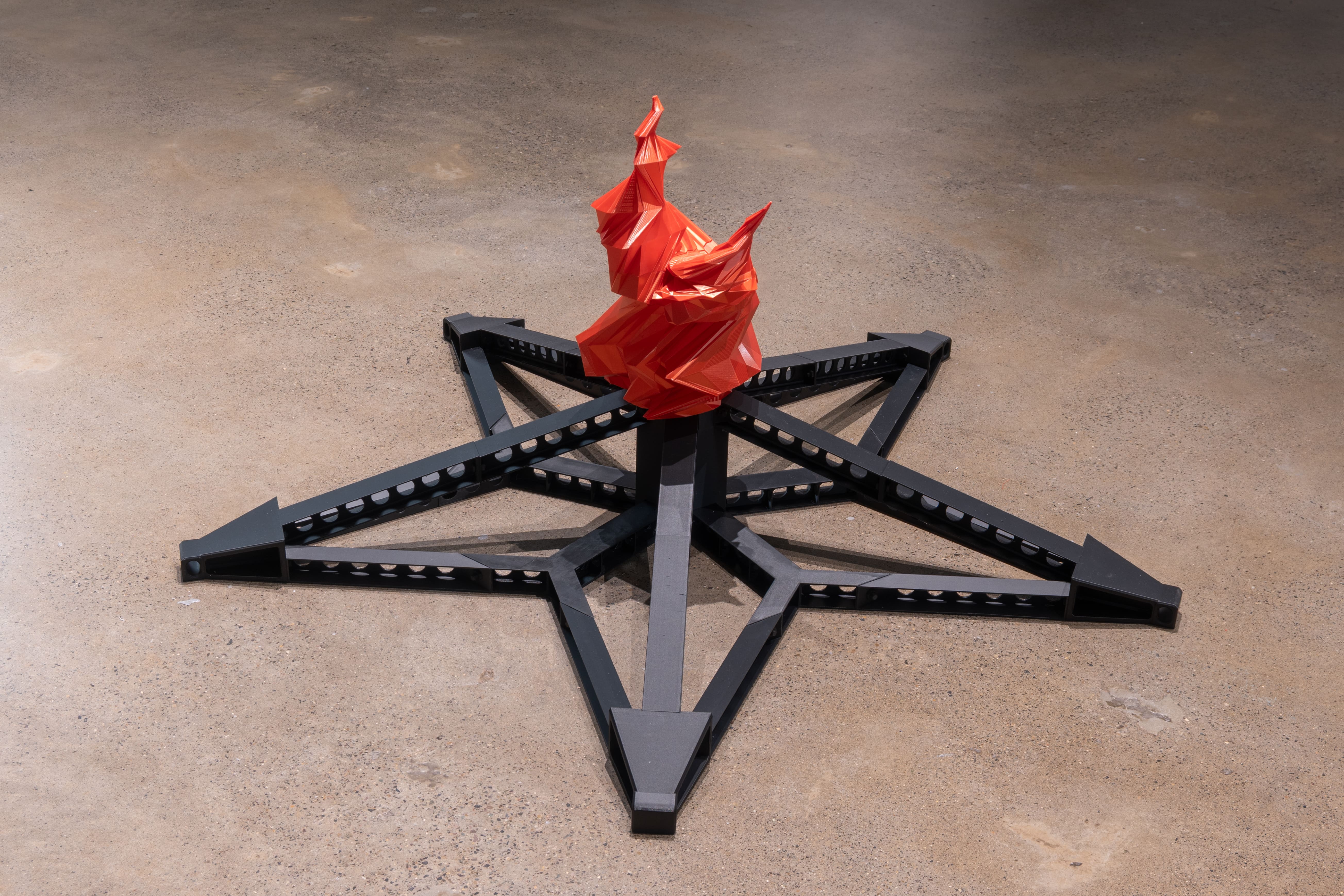
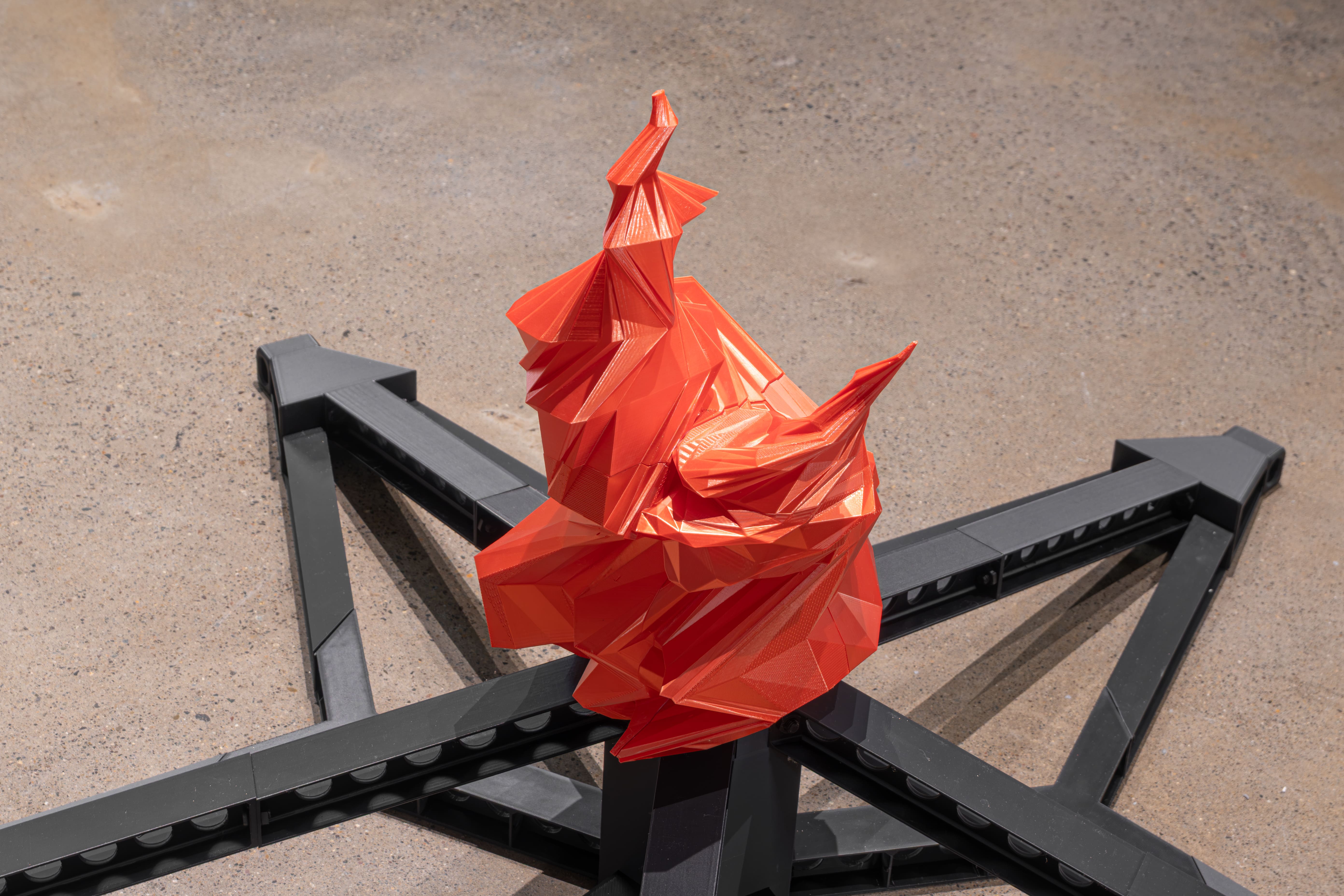
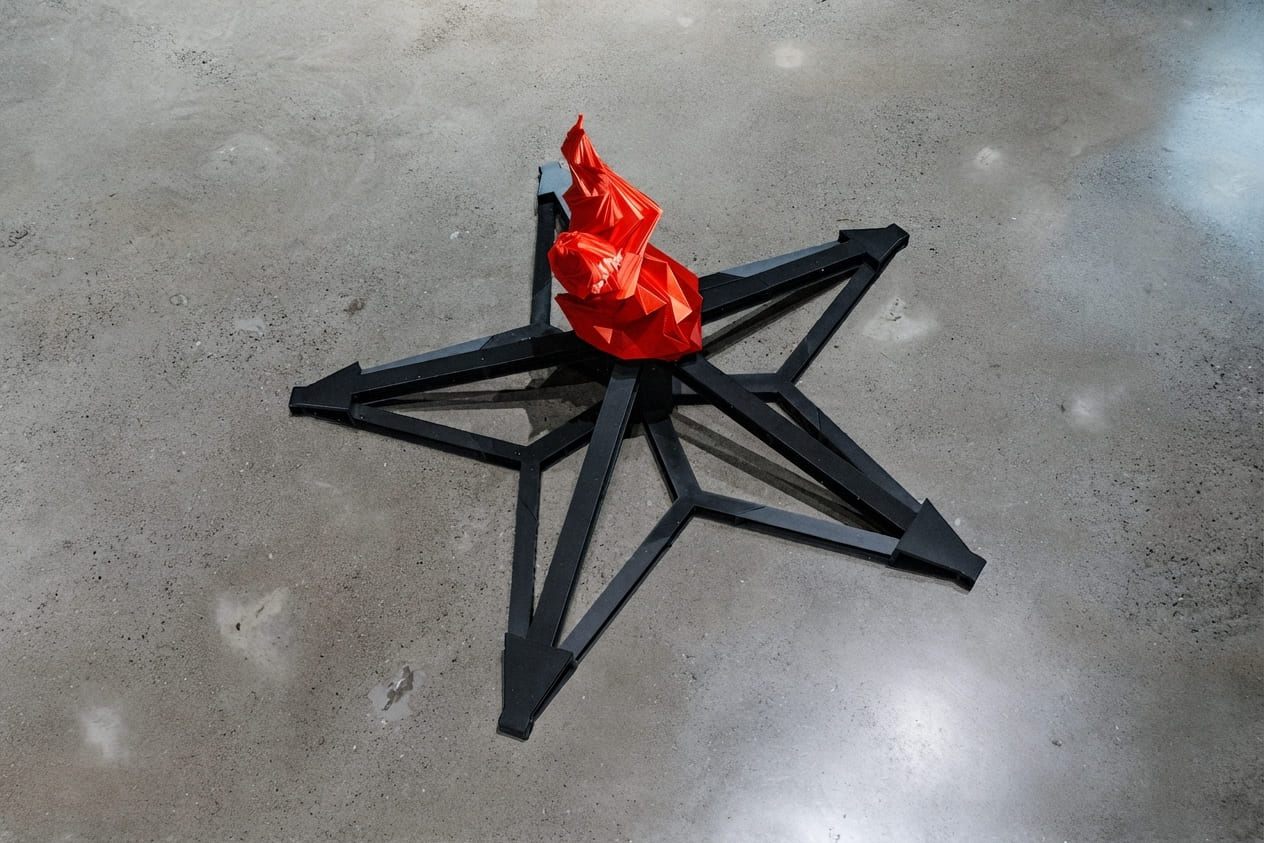
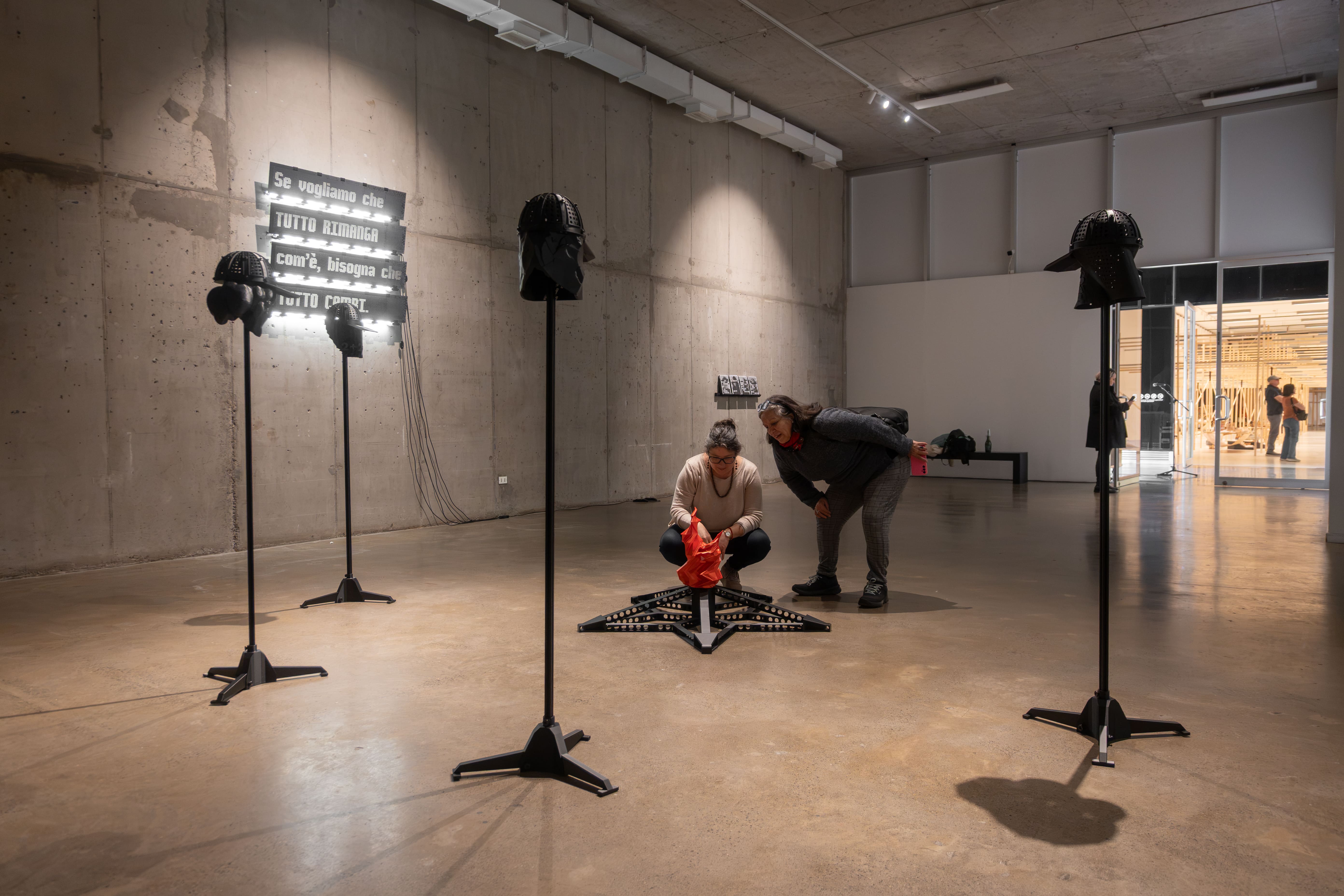
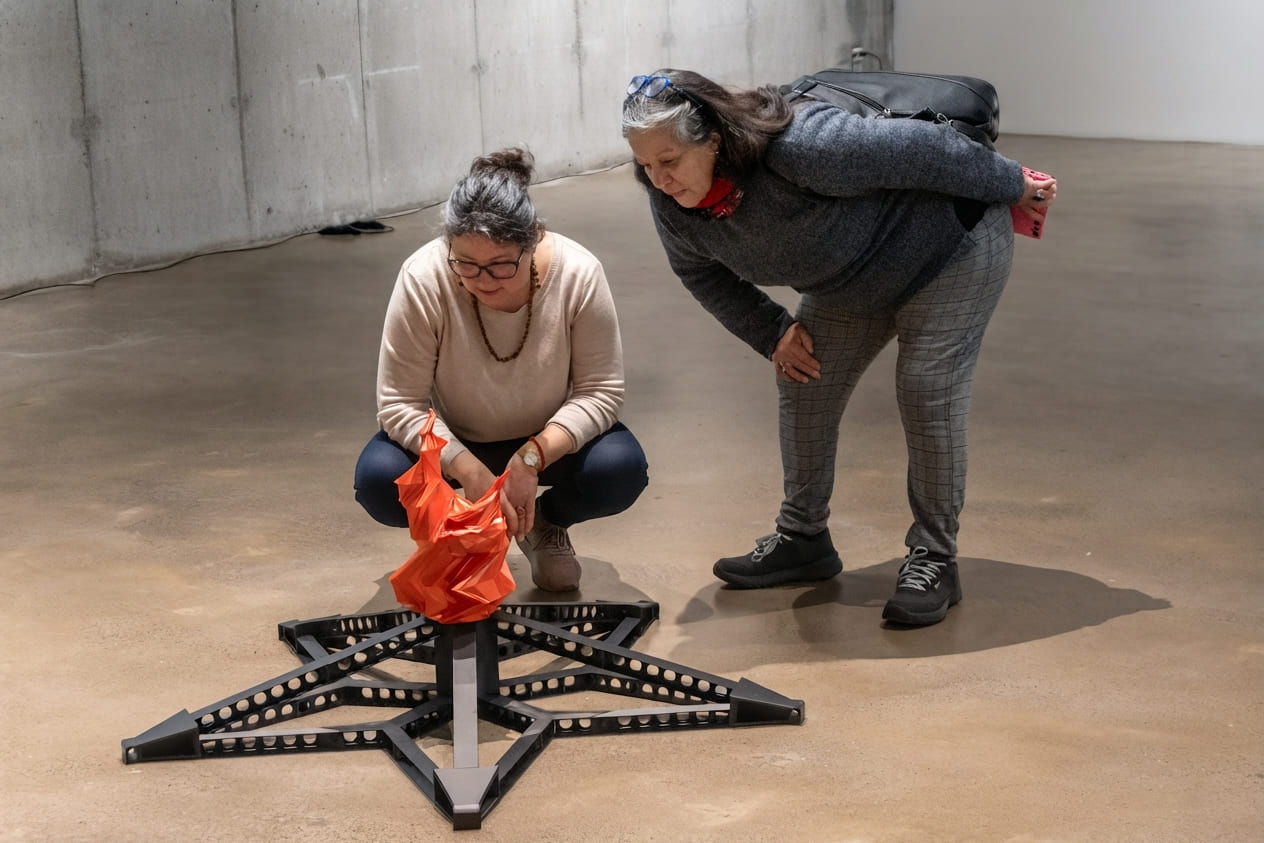
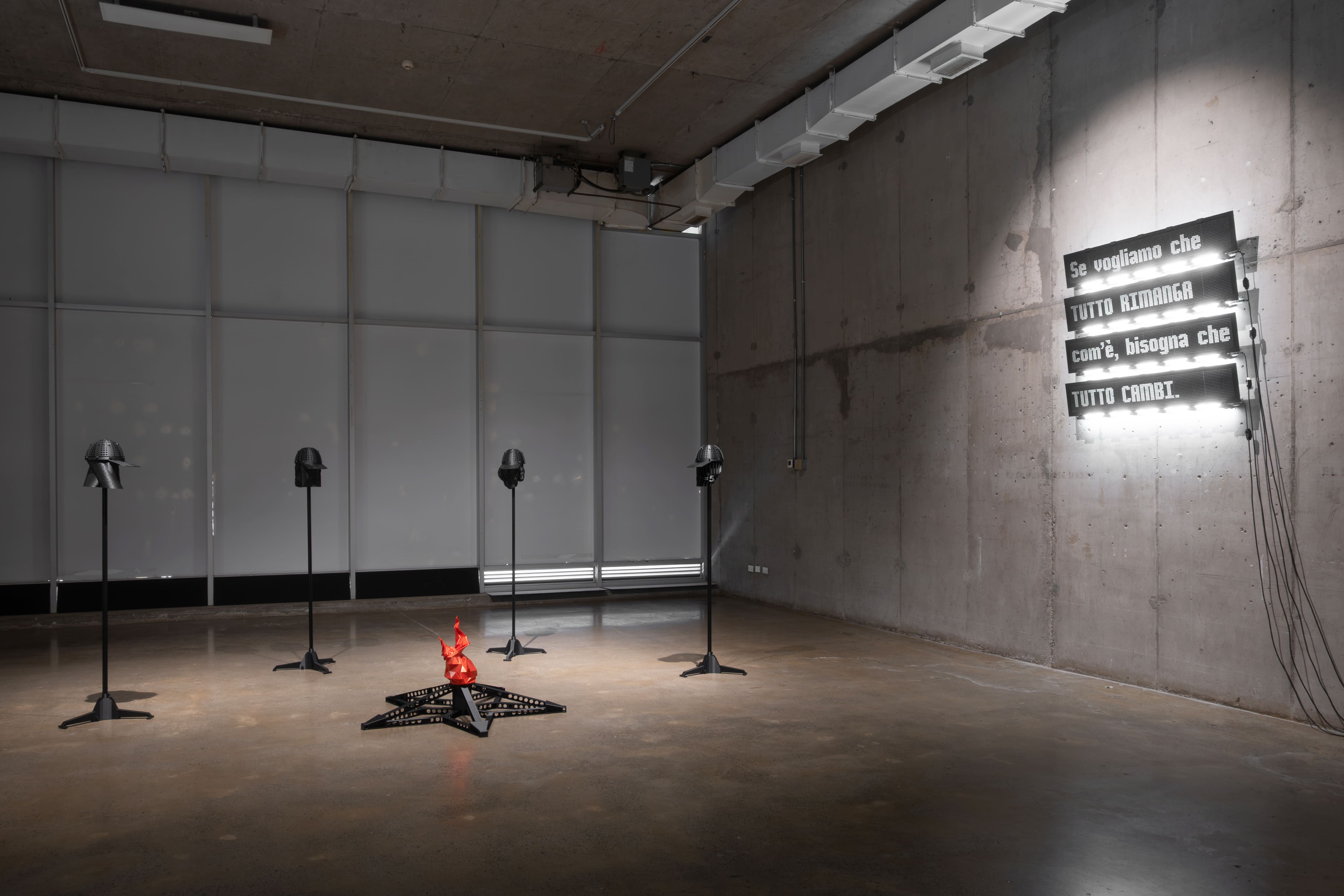
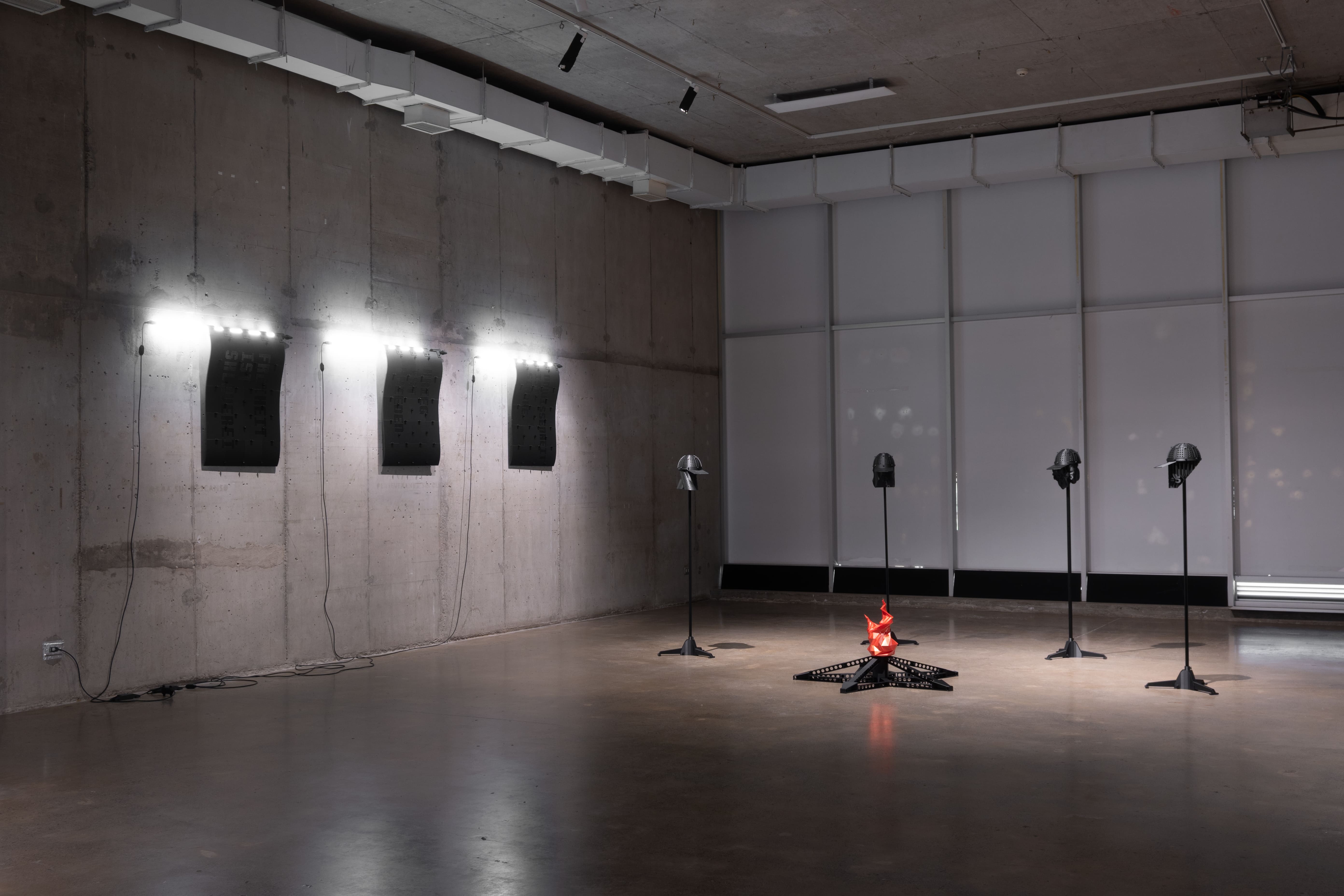
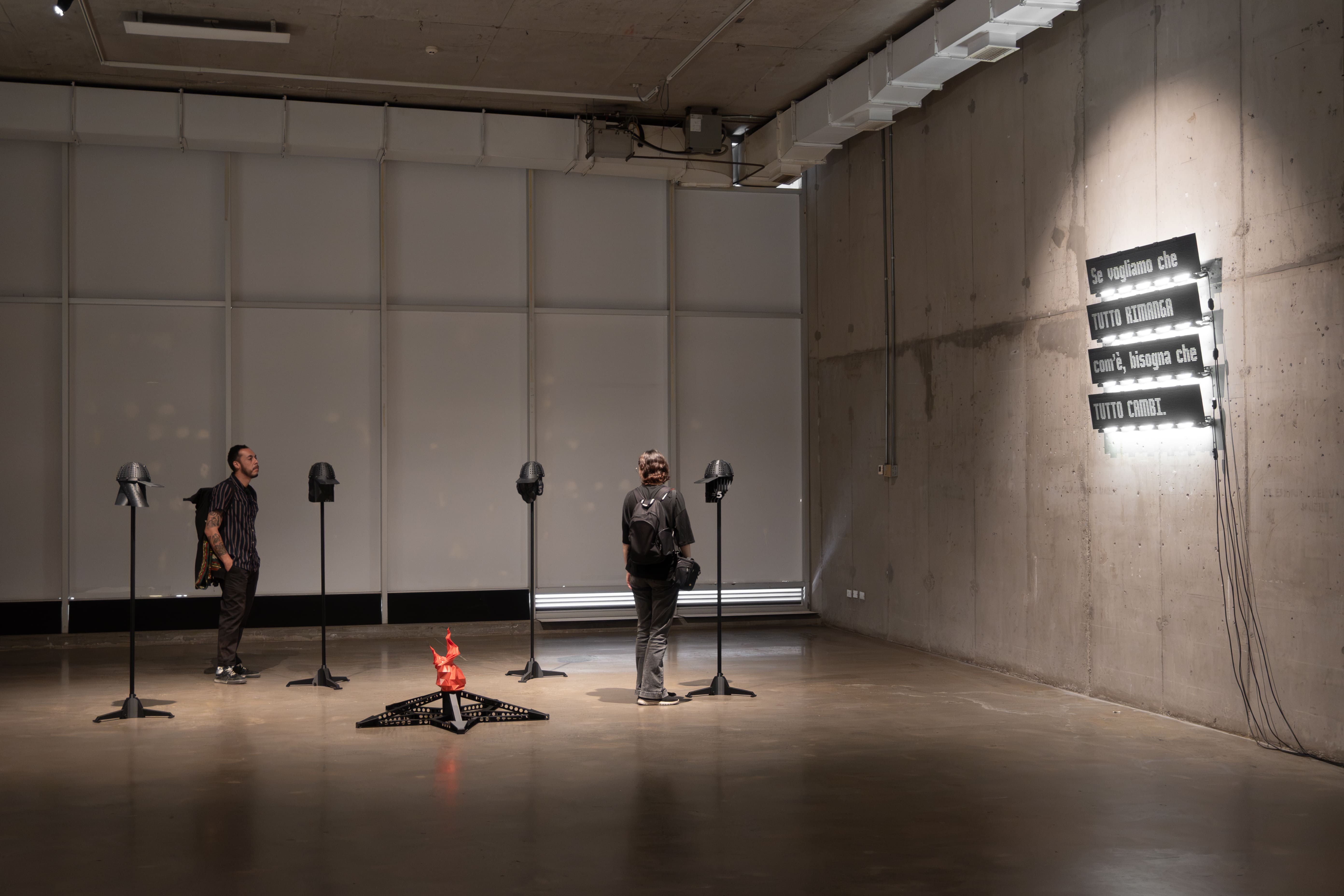
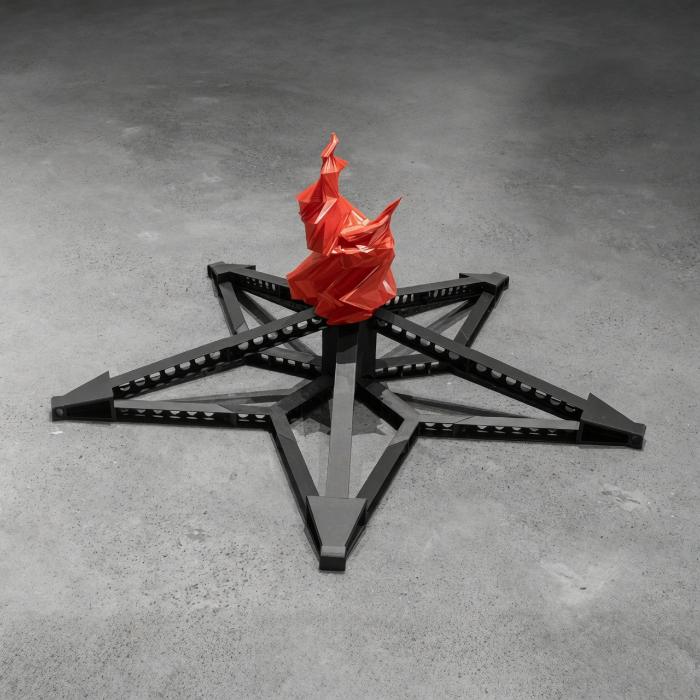
On the floor rests a five-pointed star. The star is built through 3D printing, using the same mechanical assembly system—bolts, modules, visible structure—that articulates the entire exhibition.
The five-pointed star is one of the most ubiquitous and most contested symbols in world heraldry and vexillology: it appears on the flags of dozens of nations, on military emblems, on revolutionary insignia, and on corporate logos. It is a sign that belongs to no one and that everyone has claimed. Here, that ambivalent symbol lies on the floor—not raised, not on a wall, not as a glorious emblem—and at its center burns a red flame.
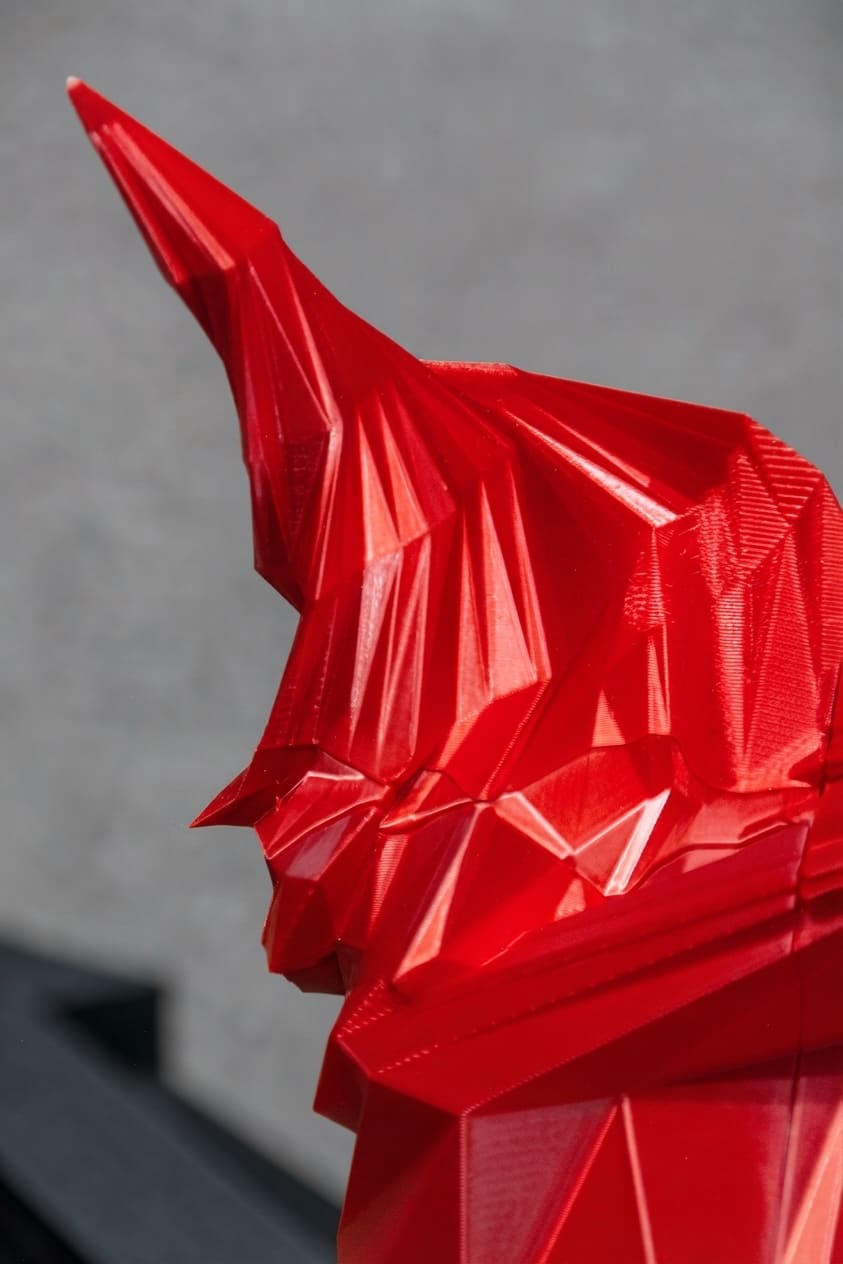
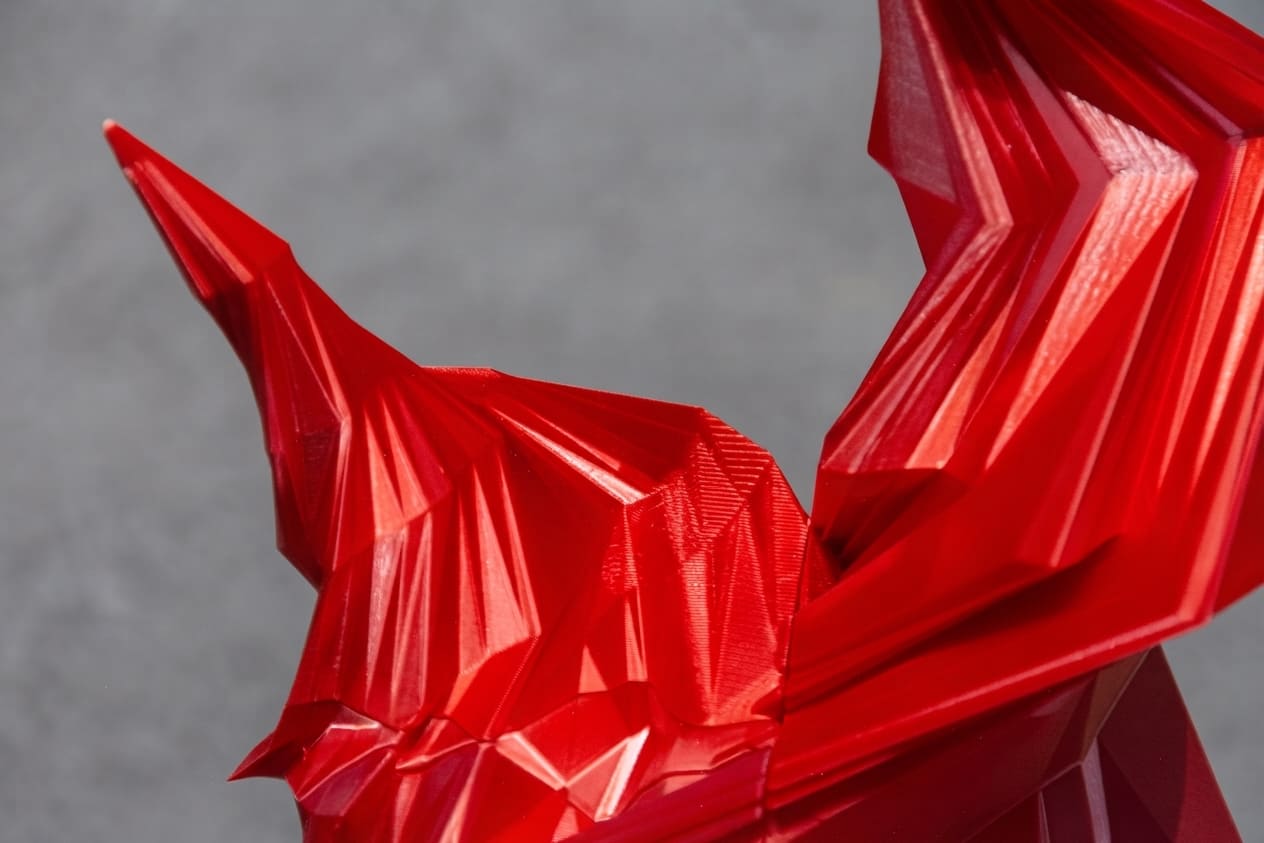
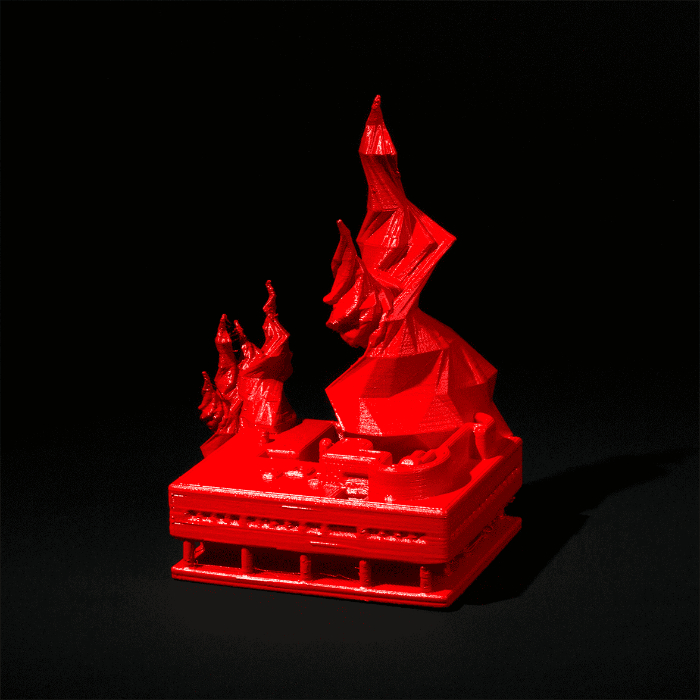
The flame is the only point of color in the entire exhibition. Its red and its Silk PLA finish—glossy, almost metallic—further fictionalize the idea of eternity and the visual epic proper to fascist emblems: a flame that never burns out because it was made not to, an eternity of props. That material imposture has a specific historical counterpart: it evokes the Eternal Flame of Liberty, lit in Santiago in 1975 by Augusto Pinochet's dictatorship in Plaza Bulnes. Contrary to what many believe, the flame did not go out with the return of democracy: it kept burning throughout the entire transition, and was only removed in 2004, as part of the Barrio Cívico remodeling for the Bicentennial. It was then quietly relocated to the Military School, where it remains lit to this day, sustained with public funds. A flame that celebrated liberty during a dictatorship, later kept in a barracks and funded by the democratic state that succeeded it: few objects condense the Orwellian paradox better than that active, and simultaneously forgotten, monument.
The title 1975–1984 relates the year of that flame to the year of Orwell's book. It is not a numerical coincidence or a play on dates: it is a program. Nine years separate the lighting of the flame from the publication of the warning that describes it in advance, and that distance closes in the piece the way a forecast is confirmed. What Orwell imagined as dystopian fiction, Chile had already put into practice as a ceremony of state: a fabricated eternity, institutionally sustained, capable of outliving even the regime that lit it. The title does not date the work; it dates the mechanism.
Photography courtesy of: Carlos Silva & Cristian Maturana
All pieces printed by: Studio Maipa